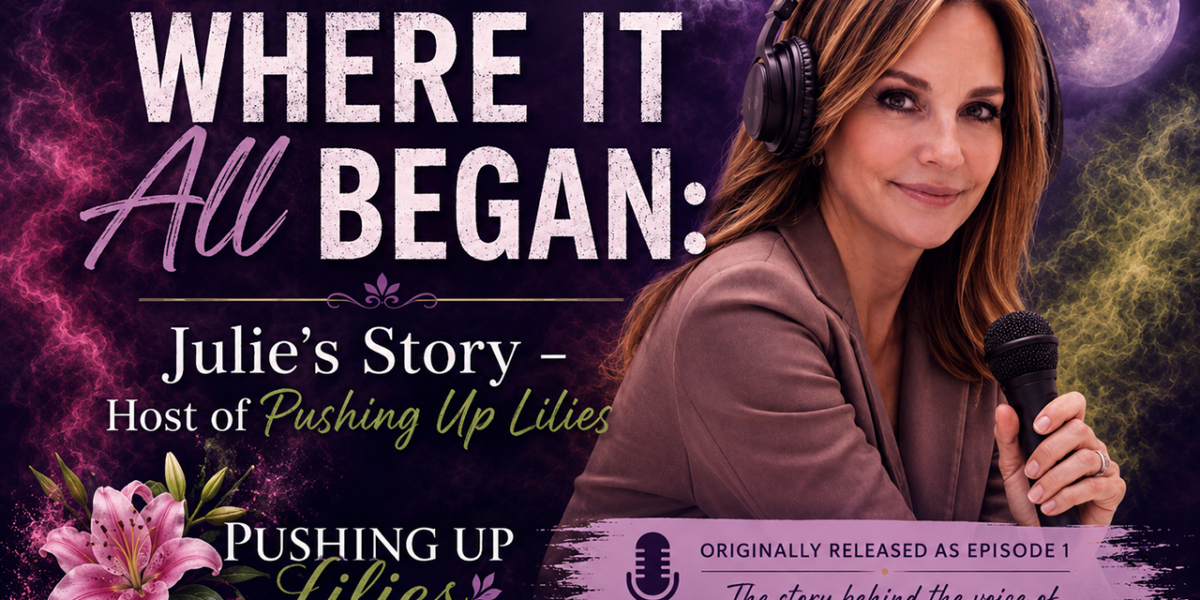
Who am I, and how did I end up investigating death for a living? Originally released as Episode One, I’m bringing this episode back for new listeners who want to know the story behind the voice of Pushing Up Lilies. This is my story, from my path into nursing to becoming a Forensic Nurse Death Investigator. I’ll talk about what drew me to this unique profession, what it’s really like to investigate deaths, and why I felt called to create this podcast. Over the years, I’ve responded to countless death scenes, worked alongside law enforcement, medical examiners, and families experiencing unimaginable loss. Those experiences have taught me that every death has a story, and understanding that story requires compassion, science, careful investigation, and sometimes asking difficult questions. Pushing Up Lilies was created to give listeners an honest look behind the scenes of death investigation. Whether you’re fascinated by forensic science, curious about how cases are solved, or simply interested in the realities of this profession, I hope this podcast helps educate, inspire, and answer questions you’ve always wondered about. If you’re new here, welcome. This episode is the perfect place to begin. If you’ve been listening for a while, thank you for being part of this journey. I’m so glad you’re here. Join me as I share the story behind the microphone, and the path that led me to Pushing Up Lilies. EPISODE TRANSCRIPT: 00:06 Welcome to Pushing Up Lilies. I’m your host, Julie Mattson. Pushing Up Lilies is a weekly true crime podcast with spine-tingling, unusual, and terrifyingly true stories from my perspective as a forensic death investigator and a sexual assault nurse examiner. 00:24 Do I have some stories for you? Are you ready? So, my journey as a forensic nurse began quite some time ago. I got out of nursing school, and at that time, there was no such thing as forensic nursing. 00:43 I was a charge nurse in the local emergency room, and my unit director came up and asked me to train to be a sexual assault nurse examiner. At the time, of course, I didn’t know much about what it was, but I did know that when we had a patient come into the emergency room that had been sexually assaulted, we would struggle to do the exam correctly because we would do the rape kit on that patient. 01:14 And it would take probably about four hours because the directions were so detailed. We didn’t want to mess anything up. It would take us away from all of our other patients. We would have to give them to another nurse and struggle to do the rape kit correctly. 01:31 It was just really a long, drawn-out process. They had decided, well, we’re going to train nurses to do this. They would do this all the time. They would be experienced. They would know what they’re doing. 01:44 They would be able to testify in court and know what trauma looked like from a sexual assault aspect. My boss asked me to do that and I did reluctantly. I wasn’t super excited about it. I really didn’t really know what I was getting into. 02:04 But over the years, and of course I’ve done that for 21 years, over the years of testifying in court and actually helping get those perpetrators sentenced, many of them or most of them, life in prison, was so invigorating to have that power to be able to help get justice for the victims. 02:31 So, over the years, I wanted to know more about forensics. I wanted to know what I could do to help in the forensics field. Keep in mind, this is before CSI and before forensic files. None of that stuff was really on TV yet, right? 02:48 So forensic nursing was just becoming a thing. So, I called my local medical examiner’s office and asked them how I could learn to be a death investigator. They told me to just get the training anywhere I could, save all my certificates, and keep my CV updated, which is what I did. 03:08 I sent myself to the University of St. Louis, to the medical school, and I took the training course. I could not get certified because I was not working in the field of death investigation, but I at least took the course and came home with that knowledge so that I could start looking for a job in death investigation. 03:30 I found one in Harris County. I moved to Houston and I worked there for years and got so much experience working with the best of the best. Houston is such a melting pot of people. There were all sorts of different things going on there, which they go on everywhere. 03:48 We just don’t hear about them. But I got the best experience ever. So, then I moved back to this area, worked briefly as deputy chief for Dallas County, then got the job working for Denton County as a forensic death investigator, which is where I’m at now. 04:10 And it’s kind of strange because when I was a child, I was scared to death of death. I would go to sleep at night, afraid I would wake up. I thought that the last thing I said to my parents before I went to bed was the last thing they were ever going to hear from me. 04:28 So, to find myself working in this field now is a little strange to me. People always ask me, how do you do it? How do you do it and still be happy? Do you not take that stuff home with you? Don’t you have dreams? 04:42 And I don’t. And I think what makes it easier for me is in the hospital, when you’re taking care of patients, you get to know them, you get to know their family, you almost feel like you’re a part of their family. 04:55 And
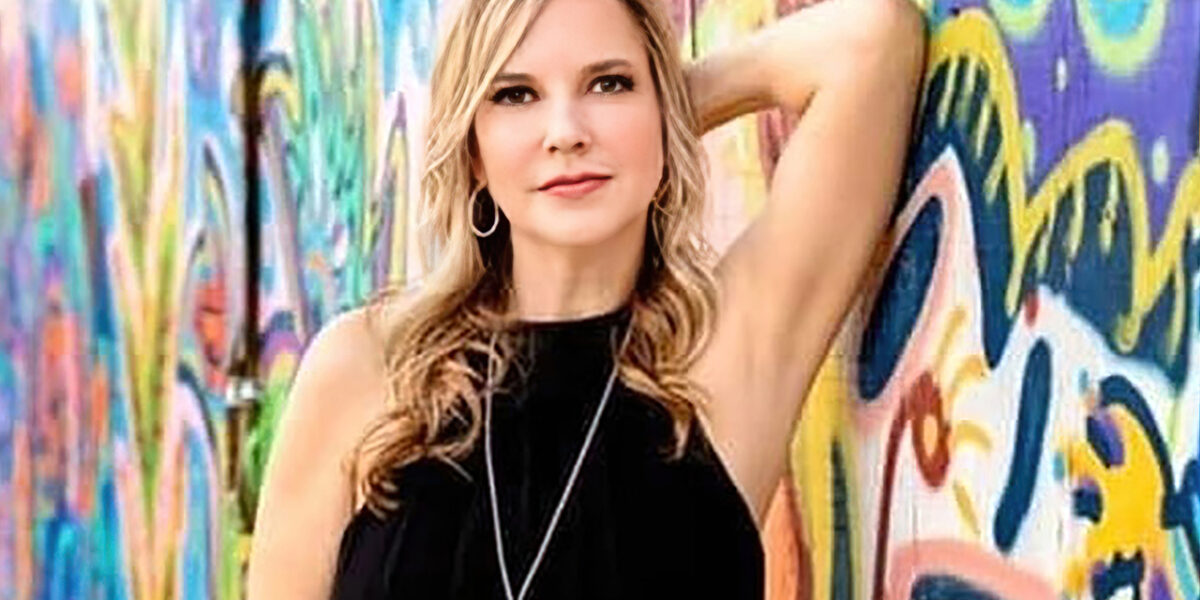
Back to the Beginning: Julie’s Story
In this episode, we’re diving into the disturbing and heartbreaking case of Sarah Harris, a young woman whose life was tragically cut short by the actions of her much older boyfriend, oral surgeon James Ryan.