

Tasia Fortune: The Hanging That Wasn’t The Cause of Death
When you walk into a death scene and see someone hanging from a tree, it would be easy to assume you already know what happened. But as a death investigator, that’s exactly what you cannot do. In this episode, I’m talking about the death of 29-year-old Tasia Fortune, a mother of four who was found hanging from a tree behind a vacant home in Jackson, Mississippi. Investigators now believe Tasia was already dead before her body was suspended and that the scene was staged. Her death has been classified as a homicide, although her exact medical cause of death had not been publicly released when I recorded this episode. I’m going to walk you through this scene the way I would have approached it as a forensic nurse death investigator. What would I photograph? What would I look for around the tree and on the ground? Does the ligature make sense? Could she have reached the suspension point? What can lividity tell us about where her body was positioned after death? Are there injuries that don’t fit the scene? Could her clothing, shoes, DNA, phone records or surveillance footage tell us that she had been somewhere else? And this case demonstrates something I learned very quickly doing this work: your job isn’t to decide what the scene looks like. Your job is to determine whether the physical evidence supports what it looks like. Sometimes one piece of evidence that doesn’t fit is the piece you need to pay the most attention to. EPISODE TRANSCRIPT: 00:06 Welcome to Pushing Up Lilies. I’m your host, Julie Mattson. 00:10 Pushing Up Lilies is a weekly true crime podcast with spine-tingling, unusual, and terrifyingly true stories from my perspective as a forensic death investigator and a sexual assault nurse examiner. 00:24 Do I have some stories for you. Are you ready? Hey, guys. Welcome back to another episode of Pushing Up Lilies. I’m so glad that you’re here to join me again. 00:37 Anyway, I wanna talk about the hanging that wasn’t the cause of death. Most of y’all know I am Julie Matson, registered nurse, forensic nurse, and retired forensic nurse death investigator. 00:52 Today, I wanna talk to you about a case that immediately caught my attention, and the reason is because it shows exactly why you can’t walk into a death scene and look at one obvious thing and then decide automatically that you know what happened. 01:09 So, when most people hear that someone was found hanging from a tree, automatically your mind goes to suicide, and most people would. I understand why. 01:22 You see a body hanging, and your brain wants to automatically connect the dots. But as a death investigator, I don’t get to do that. 01:31 The position of the body tells me just that, how I found the person, but it does not automatically tell me how that person died, and there’s a big difference. 01:42 Now, that brings us to 29-year-old Tasia Fortune. Now, I don’t know if y’all have heard this story. Tasia was a mother of four. 01:52 She was African American female, found hanging from a tree behind a vacant home in Jackson, Mississippi. Now, this happened on August 3rd. 02:02 Because of where she was found and the way her body was positioned, this case immediately generated fear and questions and national attention. 02:13 But as the investigation developed, authorities actually revealed something incredibly important. Investigators actually believe that Tasia was already dead before her body was placed in the tree. 02:25 And so according to testimony from a Jackson police detective, this hanging had been staged. And cases like this are always interesting to me. 02:36 But today, I wanna talk to you a little bit about what happened to Tasia, and I also want to approach this the way that I would have approached it working a death scene. 02:47 If I walked into a scene and saw somebody hanging, I wanna let you know, what would I be looking for? What would make me start questioning suicide? 02:58 And what could tell me that this person died somewhere else and was actually moved? And what findings might tell the forensic pathologist that the person was already dead before they were suspended? 03:13 So, this was the fun part of my job, to kinda put the puzzle pieces together. Because when you work with death investigation, you learn pretty quickly that things are not always what they look like. 03:25 So, let’s talk a little bit about her being discovered. Tasia was found behind a vacant home, and this was in the 500 block of Road of Remembrance in West Jackson. So again, we’re in Mississippi. 03:44 Now, right away, that location would make me start asking questions. 03:50 It doesn’t really mean because suicide couldn’t have happened there, because people die in all kinds of locations of suicide, but I still wanna know, like, why she was there. 04:01 Why was she behind that abandoned house? Did she have some connection to that property, or had anyone seen her there before? Did she walk there? Was she brought there? W- was there a vehicle there? 04:17 Why was she there? Was she alone? Most importantly, is it actually where she died, or is this just where somebody left her body? 04:26 So that distinction is huge in death investigation because we talk about, and I know I’ve talked about this before with y’all, primary and secondary scenes. 04:37 So many deaths have two scenes, and the primary scene is gonna be where the fatal event occurred. Now, the secondary scene is somewhere the body, or other evidence was moved afterwards. 04:51 So, investigators in Tasia’s case now believe that she was killed somewhere else before being brought to the location where her body was actually discovered. 05:02 So, if I learn that, it’s gonna change the entire investigation. 05:09 When I first go to a scene

The Death of Barrett Walsh: Psychosis, a Murder Charge, and the Lindsay Clancy Connection
When I first started looking into the death of two-year-old Barrett Walsh, one detail immediately stood out to me: his mother, Corie Walsh, had reportedly been closely following the Lindsay Clancy trial and discussing it with friends just hours before Barrett was found. The similarities between the two cases are difficult to ignore. Both involve mothers accused of killing young children inside their family homes, suicide attempts, ligatures, and defenses centered around severe mental illness or psychosis. But similarities aren’t evidence, and they certainly don’t prove that one case inspired another. In this episode of Pushing Up Lilies, I want to slow the story down and look beyond that headline. Barrett, whose nickname was Bear, was found in the basement of his Illinois home with a ligature around his neck. A neighbor lowered him, began CPR, and called 911. Corie was found elsewhere in the home with injuries believed to be self-inflicted. Prosecutors have since charged her with three counts of first-degree murder, while her attorneys say she was experiencing a psychotic episode. From a death investigator’s perspective, though, those facts are only the beginning. I’m taking you through how I would approach a scene like this: documenting Barrett’s original position before lifesaving efforts changed the scene, examining the ligature and suspension point, preserving digital evidence, reconstructing the timeline, documenting medications and other evidence inside the home, and separating what witnesses actually observed from what they interpreted. We’ll also talk about Corie’s reported statements, the role mental illness may ultimately play in her defense, and why investigators have to be extremely careful about confirmation bias. If you walk into a case already believing it’s a Lindsay Clancy copycat, every message, search, and piece of evidence risks being interpreted through that assumption. There is still a great deal we don’t know. As of the recording of this episode, the final autopsy and toxicology findings had not been publicly released, the digital investigation was still incomplete, and Corie Walsh had not gone to trial. She remains presumed innocent unless and until the charges against her are proven in court. And through all of this, I don’t want Barrett to become a footnote in a story about his mother or the Lindsay Clancy comparison. He was two years old. His nickname was Bear. He deserved protection in life, and in death, he deserves an investigation built on facts, accuracy, and dignity. Content Note: This episode discusses the death of a child, ligature asphyxia, self-harm, alleged homicide, suicide, and severe mental illness. EPISODE TRANSCRIPT: 00:06 Welcome to Pushing Up Lilies. I’m your host, Julie Mattson. 00:10 Pushing Up Lilies is a weekly true crime podcast with spine-tingling, unusual, and terrifyingly true stories from my perspective as a forensic death investigator and a sexual assault nurse examiner. 00:24 Do I have some stories for you? Are you ready? Hey, guys, I’m coming to you from my closet again tonight. I wanna tell you a little bit about a case that I’ve been investigating. 00:39 It does allege violence against a child, self-harm, severe mental illness. So again, I like to say this at the very beginning, decide right now whether listening to this is right for you or not. 00:54 This is a case about Corie Walsh. Now, I don’t know if y’all have heard of Corie. It has a lot of clear parallels to Lindsay Clancy. 01:03 There’s also a lot of differences, so we’re gonna kinda talk about that. 01:06 Both of the cases, of course, involve mothers accused of killing a young child or children inside a family home, followed by a suicide attempt. 01:17 Now, mental illness also sits on the center of both of these defenses. Clancy’s attorney said that she was suffering from postpartum psychosis and that she was not criminally responsible. 01:29 Now, Walsh’s attorney, who’s Andrea Lyon is her name, she says that Walsh experienced just a psychotic episode. Now, the biggest difference is what authorities say about the mental states. 01:42 In Walsh’s case, prosecutors said that she told investigators that she believed that two-year-old Barrett was the devil and the Antichrist, and her attorney says that this supports the fact that she was psychotic at the time. 01:57 Now, Clancy’s case is a little bit different. 01:59 As we all know, the dispute at trial focused heavily on whether or not she understood the nature of her actions despite the fact that she had psychiatric illness. 02:11 We know that she had a psychiatric illness, but did she understand what she did? Did she know that it was wrong? Now, there’s another real unusual connection between these two cases. 02:23 Walsh had been, strangely enough, very invested in the Clancy trial, and so she had been texting friends about the Clancy trial hours before Barrett was found. 02:34 Now, that makes the comparison really interesting. 02:37 But still, it has not been established that Clancy’s case caused or inspired Barrett’s killing, and so Walsh’s defense strongly rejects the idea that this was a copycat crime. 02:53 Now, I know I talked about this last week. I’m always fearful when I watch a movie that somebody’s gonna be like, “Hey, that looks like a good idea. Let’s do that. Let’s try that. 03:02 I’ve always wanted to do it.” Most of the time, criminals have probably already got in their mind what they wanna do, but the stories always kinda scare me that somebody’s gonna jump out and be like, “I wanna try that.” Now, the outcomes of these two cases are also at very different stages. 03:18 As we all know, Clancy admitted to killing the three children. Her trial that recently ended in a mistrial because the jury failed to reach a unanimous verdict. 03:28 Now, Walsh has only recently been charged, so the allegations against her have not been tested. She’s not gone to trial. We don’t know what’s happening with this one. 03:37 Now, the really compelling question, was she copying

The Death of Aria Talathi: When a Drowning Scene Tells a Different Story
Sometimes a death scene seems to tell you exactly what happened. A child is found submerged in a swimming pool, and the immediate assumption is drowning. But as a death investigator, I’ve learned that where someone is found doesn’t necessarily tell us where, or how, they died. In this episode of Pushing Up Lilies, I’m taking you through the case of four-year-old Aria Talathi, who was found in the deep end of a swimming pool at a short-term rental in Florida while traveling with her mother, Dr. Neha Gupta. What initially appeared to be a devastating childhood drowning became something very different when investigators began looking more closely at the physical evidence. According to the arrest affidavit discussed in this episode, investigators said Aria’s lungs and stomach were considered dry, while the examination also documented cuts inside her mouth and bruising along the insides of her cheeks. Authorities alleged those injuries raised the possibility that she had been smothered and was already dead before being placed in the pool. I’ll take you behind the scenes of how I would approach a death investigation like this, including what I would photograph, what questions I would ask, how I would build the timeline, and why something as simple as a door latch, an undisturbed bed, a phone record, or the contents of a stomach can become important. And there’s something I don’t want us to lose in all of the forensic details: Aria was four years old. Before her name appeared in an arrest affidavit or became part of a murder case, she was a little girl who went to the beach, rode jet skis, and traveled with her mother. Her life deserves to remain at the center of this story. I also begin this episode with a brief update on the Lindsay Clancy case following the September 4 mistrial and what may happen next. Content Note: This episode discusses the death of a child, possible smothering/asphyxiation, drowning, and alleged homicide. EPISODE TRANSCRIPT: 00:06 Welcome to Pushing Up Lilies. I’m your host, Julie Mattson. 00:10 Pushing Up Lilies is a weekly true crime podcast with spine-tingling, unusual, and terrifyingly true stories from my perspective as a forensic death investigator and a sexual assault nurse examiner. 00:24 Do I have some stories for you? Are you ready? Hey, guys. Welcome back to another episode of Pushing Up Lilies. Guess what? The humidity in Mexico makes my hair wavy. That’s new to me. 00:40 I never knew that that happened, but I’m coming at you this week from Costa Mujeres, about 20 miles north of Cancun, and we are at the Majestic Elegance Resort. It’s beautiful here. 00:54 It’s a five-star resort that we just happened to find on American Airlines’… what is it? American Airlines Vacations. And so, we leave tomorrow, which I hate, because it’s been kinda nice. 01:06 Super warm and humid today, but this place has amazing food, and so we’ve loved our stay here. You might hear some random noises during my recording. 01:16 For some reason, it sounds like there’s a herd of elephants upstairs, so I don’t know what’s going on up there. 01:21 But wanted to remind you of a few things before I start talking about this week’s episode. 01:27 First of all, don’t forget October 10th is gonna be our second annual Murder Mystery Dinner at Studio 141 in Crump. It’s going to be so much fun. It’s gonna be a blast for everybody. 01:41 You know, there are gonna be a lot of true crime lovers there, so you’re gonna have a lot in common with the people who are attending. 01:47 Jan Bynum is gonna be our guest speaker, and her daughter was Kelly Anne Cox, the UNT student that was abducted and murdered back in 1997. 01:58 And then catered by Our Blended Table, who has delicious food. And so, it’s goanna be right next door to The Merc in Crump, and then we will have merchandise available there. Some new stuff. 02:10 I got some really new stuff that y’all are gonna absolutely love. October 24th is gonna be the Day of the Dead Festival in Downtown Denton. Again, I’m not racing this year. 02:20 I’m just gonna have a vendor table but have some super cute Day of the Dead stickers that I had made for that event. So y’all are gonna love that. 02:29 And then in the end of November, I’ll be at the Texas EMS Conference, where I will be giving advice to EMS and firefighters on how to preserve scenes when forensics is involved. 02:42 I know us death investigators talk about that all the time, how we need to educate first responders on forensics in general and how to preserve evidence, even though saving the life is definitely the most important thing. 02:57 But there are also some things to just take into account whenever you are at the hospital, in the ER, seeing a patient who has been shot or has been in an accident, what to do, what not to do type stuff, just to be helpful, just so that we can all be cohesive on our investigation, because there may or may not be an investigation following a patient being transported by EMS or being seen in the emergency room. 03:27 Just things to kinda help so we can all work together. And then I’m still trying to decide on the Crime Cruise. I haven’t really decided on that yet. I don’t know. 03:36 But I am still really looking forward to Crime Con in Florida, in Orlando, in September of 2027. 03:45 So, a lot of stuff going on, and I’m trying to get better about thinking ahead in advance, but I do wanna thank y’all. 03:53 I’ve been getting a lot of orders from my merch store and a lot of orders for the cereal box. 04:01 I love how people are ordering the Serial box for their

The Lindsay Clancy Trial: The Case Is Now in the Jury’s Hands
The Lindsay Clancy trial has reached one of its most important moments. The witnesses are finished, both sides have made their closing arguments, and now twelve jurors are left to decide what happened inside that home on January 24, 2023, and whether Lindsay was criminally responsible when Cora, Dawson, and Callan died. In this episode of Pushing Up Lilies, I’m taking you through the final stretch of testimony without making you sit through every minute of psychiatrists and psychologists arguing over diagnoses. Because, y’all, even I recorded that version, and decided I wasn’t going to do that to you. Instead, I want to focus on what actually matters. The Commonwealth brought in its final three experts, and while none of them suggested Lindsay was well or that her suicide attempt wasn’t real, they disagreed with the defense over two critical issues: whether she was psychotic and whether she still had the capacity to understand that what she was doing was wrong. We’ll also talk about the moment religion entered the testimony and the defense asked for a mistrial, what happened during closing arguments, and the five possible decisions the jury can reach for each child, including what a finding of lack of criminal responsibility would actually mean. As a forensic nurse death investigator, I keep coming back to something I learned working scenes: evidence doesn’t narrate itself. Phones, medications, searches, timelines, medical records and witness statements give us pieces. It’s investigators, experts, attorneys, and ultimately jurors, who have to determine what those pieces mean. And that is exactly where this case now sits. The jury doesn’t have to decide whether Lindsay suffered. Every expert agreed that she did. Their job is to determine whether the Commonwealth proved criminal responsibility beyond a reasonable doubt. And while we talk about mental illness, diagnoses, criminal responsibility and everything surrounding this trial, I don’t want us to lose sight of the reason that courtroom exists in the first place: Cora, Dawson, and Callan. I’ll continue following the case and bring you an update when something moves. Content Note: This episode discusses the deaths of children, strangulation, suicide, self-harm, and serious mental illness. EPISODE TRANSCRIPT: 00:06 Welcome to Pushing Up Lilies. I’m your host, Julie Mattson. 00:10 Pushing Up Lilies is a weekly true crime podcast with spine-tingling, unusual, and terrifyingly true stories from my perspective as a forensic death investigator and a sexual assault nurse examiner. 00:24 Do I have some stories for you? Are you ready? Hey, guys, it’s Julie with Pushing Up Lilies. I wanted to tell y’all that I actually went to the North Texas Overdose Awareness Day last night. 00:41 I love that people were getting together and discussing, like, their history of abuse and recovery, and it was just heartwarming to hear their stories. 00:56 And there were a lot of recovery facilities there to provide support. 01:02 And I had a couple of stickers made for the event, and these are gonna be available on my website, but this one is like a Narcan sticker, and this one is overdose awareness, and those are gonna be available on the website. 01:16 I have a ton of cute stickers, y’all. I’m super excited because I designed them all, and so most of them have our website on them. I only have one that have a QR code, but they’re just fun. 01:30 They’re fun. And then also, I don’t know if y’all have seen the tumblers. I’ve got so much stuff on my desk here. The tumblers. So, these super cute Pushing Up Lilies tumblers. 01:41 I believe they’re 16 ounce and lots of fun. Those are also available. 01:47 Now, these are in my store at the Mercantile in Crumb, but they’re also gonna be available at the Murder Mystery Dinner, which again is October 10th at Studio 141 in Crumb, catered by Our Blended Table, my friend Tiana. 02:05 And it’s gonna be fun. It’s gonna be exciting. It’s put on by murdermysterytexas.com. So, I’m looking forward to the actors being there. Very interactive, great meal. 02:18 You’ll get to visit with Jan Bonham. Again, she’s the mother of Kelly Ann Cox, who is the UNT student that was abducted back in 1997 and found murdered in the Houston area. 02:29 So, it’s gonna be a lot of fun. It’s gonna be a fun night, and we’ll get to talk with Jan, and she has been gracious enough to come down from Houston to be my guest. 02:41 And looking forward to that and looking forward to meeting her. Also, I will be at the Day of the Dead Festival, October 24th, as a vendor, and all my merch will be there. 02:52 I will have the comic books. I’ll have all the stickers. I’ll have the T-shirts, and I have a special giveaway sticker. I only have 200 of them, so get to my booth quick. 03:01 But it is a Day of the Dead sticker that I had designed, so I think y’all will love it. Also, I am attending as an exhibitor the Texas EMS Conference. 03:14 Gonna be in Fort Worth in the end of July, at the Omni Hotel. I think I missed out on getting a hotel room at the Omni, which is not good, but I’m not happy about that. But anyway, I’ll get one close by. 03:26 We’ll figure it out. But lots of events coming up. I’m just already looking forward to and looking for events for 2027, and I feel like 2027 we’re gonna blow up, y’all. 03:41 So, if you will share this podcast with your friends, I would so appreciate it. I am so stinking close to 100,000 downloads. 03:50 Like, it’s amazing, and never ever would I have thought that I would be there. I mean, it’s just, it’s nuts to me. I love it, though. I absolutely love it. Also, I’m just trying to think. 04:03 I feel like there’s something else
The Lindsay Clancy Trial: New Testimony, New Questions
The Lindsay Clancy trial continues, and with each new day of testimony, the questions surrounding this case seem to become even more complicated. In this episode of Pushing Up Lilies, I’m continuing my coverage as the defense presents its case and the jury hears from family members, mental health professionals, and forensic experts offering very different perspectives on Lindsay’s state of mind. As a forensic nurse death investigator, I’m especially interested in what happens when experts examine the same evidence and reach very different conclusions. What does the testimony tell us? What questions remain unanswered? And how will the jury ultimately determine where severe mental illness ends and criminal responsibility begins? I’ll also take you inside some of the more unexpected moments in the courtroom and share my perspective on what stood out to me as the trial moves closer to its conclusion. There is a lot to unpack in this week’s testimony, and some of it may change the way you look at this case. Through it all, I’ll continue to keep Cora, Dawson, and Callan at the center of this story as we follow the evidence and wait to see what comes next. Content Note: This episode discusses the deaths of children, suicide, self-harm, postpartum mental illness, and other subjects that may be difficult for some listeners. EPISODE TRANSCRIPT: 00:06 Welcome to Pushing Up Lilies. I’m your host, Julie Mattson. 00:10 Pushing Up Lilies is a weekly true crime podcast with spine-tingling, unusual, and terrifyingly true stories from my perspective as a forensic death investigator and a sexual assault nurse examiner. 00:24 Do I have some stories for you? Are you ready? Hey, guys. I’m coming to you today from my med spa, so it’s a little bit different. 00:36 I think I was here last week, and I feel like I’m here all the time. 00:41 So many of you know that I have a med spa in Denton, Texas, and I do a lot of behind-the-scenes work, and then I also work as an injector three days a week. 00:52 So, I’m typically here on Tuesday, Friday, Saturday, and then I… See my new little fella right here. He’s so cute. I need to name him. 01:01 But going to be adding more when I finish my nurse practitioner degree. School starts back in about three weeks, and I have a quick little four-day trip to Mexico planned between now and then. 01:12 So that ought to be fun. I need a trip where I don’t have to do homework. Seem like every time I travel, I’ve got homework to do, and it’s not very relaxing, as many of you who are in school know. 01:24 Anyway, I wanna cover a little bit about what has happened in the Lindsay Clancy murder trial since August seventeenth. 01:32 So, August seventeenth through August twenty-fourth, I’m speaking as a forensic nurse death investigator, and I followed every day of this case. 01:39 I haven’t been able to watch every minute of it, but I follow it the same way I review a scene or a medical chart: evidence first, clinical pattern second, and the human cost, especially the three children, always at the center. 01:56 So, my voice is not here to root for a verdict. 01:59 It’s here to lay out what the record actually shows so that anyone listening can understand where this trial stands and why it matters just beyond one courtroom. 02:11 Now, on August seventeenth, the prosecution rested, so that was after nearly seventy witnesses, and then the defense began. 02:21 What followed was five intense days of family testimony, competing forensic experts, a rejected TikTok witness, early jury dismissals, a mid-trial motion for a mistrial, and the clearest statements about yet what was happening inside Lindsay Clancy’s mind on January twenty-fourth of twenty-twenty-three. 02:44 Lindsay has not taken the stand. Closing arguments are expected as early as tomorrow. Now, the jury has not yet begun to deliberate. 02:55 Let’s walk a little bit through it carefully day by day, and we’re gonna go a little bit through, like, what each witness said and what happened. 03:05 So, on August seventeenth, the prosecution rested, and the defense opened with family members. 03:13 The Commonwealth’s final witness was digital forensics specialist Ian Wiffin of Cellebrite, and he actually detailed data from Lindsay’s iPhone and her Apple Watch. 03:25 Searches in the days before the killings for symptoms of postpartum psychosis, psychosis symptoms, and ketamine for suicidal ideation. 03:36 Apple Maps queries for the restaurant and CVS on the afternoon of January twenty-fourth went over heart rate readings ending at fifty-seven beats per minute at around five twenty-three PM and stair climbing data around five thirty-three PM. 03:53 Now, the defense challenged the gaps in the data after those times and what could reliably be inferred from them. Now, with that, the prosecution rested. 04:05 Now, the defense began immediately as you would assume that it would, and a former coworker got on the stand and described Lindsay as kind, compassionate, very dedicated as a nurse, and a very devoted mother, again, who constantly sought parenting advice from her coworkers. 04:25 And then Lindsay’s sister came on, Allison Ozga, and she is a licensed social worker. 04:30 She testified that by December of twenty-twenty-two, Lindsay was reporting daily suicidal ideations, feeling numb and hopeless. 04:40 And after leaving McLean Hospital in early January, Lindsay told her that she was starting to feel a little better, so she was a little more optimistic. 04:50 Now, Lindsay’s mother, Paula Musgrove, testified through tears that she loved her grandchildren with all of her heart, and she described texts from Lindsay in the fall of twenty-twenty-two. 05:03 One of those texts said, “I’m really sick. Something’s wrong. I’m afraid to be alone.” And she recalled Lindsay saying that the medications were basically destroying her mind. 05:15 In December, she expressed thoughts of harming the children. And now these
The Lindsay Clancy Trial: Psychosis, Premeditation, or Both?
Last week, I took you through the devastating events of January 24, 2023, the night Lindsay Clancy’s three young children, Cora, Dawson, and Callan, were fatally harmed inside their family home in Duxbury, Massachusetts. This week, we move from the home to the courtroom. In The Lindsay Clancy Trial: Psychosis, Premeditation, or Both?, I take a closer look at one of the most complicated questions surrounding this case: What was happening in Lindsay Clancy’s mind when her children died? Lindsay’s mental health before the deaths has become a critical part of understanding the case. Her treatment, medications, reported symptoms, and concerns surrounding postpartum mental illness raise difficult questions about postpartum depression and postpartum psychosis, and about how severe psychiatric illness affects criminal responsibility. But there is another side to this case. The circumstances surrounding that night also raise questions about planning and awareness. Lindsay’s husband, Patrick, left the home to run errands. During the relatively short period he was gone, the lives of all three children were changed forever. So how does the legal system distinguish between an intentional, premeditated act and an act committed by someone experiencing profound psychosis? Can a person appear organized or purposeful while simultaneously experiencing a severe break from reality? And where does mental illness end and legal responsibility begin? As a nurse and former forensic death investigator, I’m particularly interested in the intersection between the medical evidence and the investigative evidence. A case like this cannot be understood through one piece of information alone. We have to look at the timeline, behavior, medical and psychiatric history, physical evidence, statements, expert opinions, and what investigators were able to establish. We also have to remember why this trial is happening. Three young children lost their lives. Whatever conclusions are ultimately reached about Lindsay’s mental state and criminal responsibility, Cora, Dawson, and Callan remain at the center of this case. In this episode, I explore the competing questions surrounding the Lindsay Clancy trial and the challenge of evaluating a case in which mental illness and evidence of apparent planning may exist alongside one another. Was this postpartum psychosis? Was it premeditation? Or is the truth more complicated than either explanation alone? Join me for Part Two of the Lindsay Clancy case on Pushing Up Lilies: The Lindsay Clancy Trial: Psychosis, Premeditation, or Both? EPISODE TRANSCRIPT: 00:06 Welcome to Pushing Up Lilies. I’m your host, Julie Mattson. 00:10 Pushing Up Lilies is a weekly true crime podcast with spine-tingling, unusual, and terrifyingly true stories from my perspective as a forensic death investigator and a sexual assault nurse examiner. 00:24 Do I have some stories for you. Are you ready? Hey, guys, welcome to another episode of Pushing Up Lilies. I’m your host, Julie. I’m recording today from my med spa. 00:40 I have to admit I love, love, love this microphone. I hope it sounds as good as it sounds in my headset. 00:48 But wanted to bring to your attention, and I know I may have mentioned it last week, but we are having our second annual Murder Mystery Dinner. 00:58 This year is gonna be on October 10th in Krum, Texas, at Studio 141, and we’re gonna have an amazing, immersive murder mystery dinner catered by Our Blended Table. 01:13 And if you haven’t had their food, let me just tell you, it’s amazing. 01:18 It’s gonna be very interactive, a great chance to meet people who love true crime, and also an opportunity to meet and speak with Ann Byrum. 01:30 Now, many of you may not know who Ann is, but Ann is the mother of Kelly Ann Cox, and Kelly was actually abducted in Denton back in 1997 from a gas station in- very near the Denton Police Department after a tour of the jail with her criminal justice class from UNT. 01:54 And Ann loves to remind us how important it is to kinda watch your back and always use the buddy system. This happened to Kelly Ann during the day. 02:09 I mean, it was daylight right in front of the police department with officers going in and out on a very busy road. 02:17 I’m so thankful and grateful that Ann has offered to come up from Houston and be my speaker, and so I’m very much looking forward to talking to her. 02:29 We’re gonna do an interview with her, and then we’re gonna open up the floor for questions. Now, I’m also going to have a booth at the Day of the Dead Festival. I’m not racing this year. 02:42 They went up a little bit on the cost, and I just decided that I would rather spend that money advocating, so I turned it around a little bit. 02:51 This year I’ll just have a merch booth, but we’re gonna have hoodies, we’ll have T-shirts, we’ll have pins, we’ll have plenty of stickers, and the comic book. 03:02 The comic book will be there, and I’ll be glad to sign those as well. 03:07 And we’ll also be at the Overdose Awareness event on the square in Denton, Texas, on August 31st, so that’s coming up right around the corner. 03:18 It’s so crazy to think that it’s already September or almost September. It makes me wanna go Christmas shopping. 03:24 It’s never too early, I think, to just go look around, see what you can find, and the Hobby Lobby already has their Christmas stuff out. 03:32 That kinda drives me crazy to think that really in July they started doing that. I don’t like it, because I like to just celebrate my seasons. 03:42 I wanna celebrate Thanksgiving without my Christmas tree up. So anyway, I don’t know if y’all feel the same way about it, but there’s my piece. 03:50 Wanna talk a little bit more about the Lindsay Clancy trial, and I know that many of you have been watching it, and I’m so upset that I haven’t been able to watch
The Lindsay Clancy Case: Three Children, One Unthinkable Night
On January 24, 2023, what began as an ordinary evening for a young Massachusetts family ended in an unimaginable tragedy. Lindsay Clancy was a labor and delivery nurse, wife, and mother of three young children. That night, her husband, Patrick, briefly left their Duxbury home to pick up dinner and medication. When he returned, everything had changed. Their three children, Cora, Dawson, and Callan, would ultimately lose their lives, and Lindsay would survive after suffering serious injuries herself. In this episode of Pushing Up Lilies, I walk you through what happened that night and the events surrounding the deaths of these three children. As a nurse and former forensic death investigator, this case raises difficult questions for me, not only about the investigation itself, but about mental health following childbirth. Lindsay had reportedly been struggling with her mental health and receiving treatment before the deaths, bringing postpartum depression, postpartum anxiety, and postpartum psychosis into the national conversation. What happens when a mother’s perception of reality becomes distorted? How do investigators begin reconstructing a scene involving multiple children and a critically injured parent? And how do we discuss a case this devastating while remembering that at the center of it are three children whose lives were lost? This week, we’re focusing on the night everything happened: the timeline, the circumstances surrounding the deaths, and what investigators began to uncover. Next week, we’ll continue with the Lindsay Clancy case as we turn our attention to the courtroom, the evidence and arguments being presented, and the complicated questions surrounding postpartum psychosis and criminal responsibility. This is a heartbreaking case with no easy answers. EPISODE TRANSCRIPT: 00:06 Welcome to Pushing Up Lilies. I’m your host, Julie Matson. 00:10 Pushing Up Lilies is a weekly true crime podcast with spine-tingling, unusual, and terrifyingly true stories from my perspective as a forensic death investigator and a sexual assault nurse examiner. 00:24 Do I have some stories for you? Are you ready? Hey, guys. Welcome to another episode of Pushing Up Lilies. I’m your host, Julie. I just want to say that I’m so grateful for all my followers. 00:43 I am just about to hit 100,000 downloads, which is amazing. 00:49 I’ve recorded over 200 episodes, and I am being asked to guest host on a lot of other true crime podcasts, which I’m so grateful for the friends and true crime family that I met at Beyond the Crime and then also at Crime Con. 01:07 And I’ve already… I think I told y’all, I’ve already actually applied as a creator for Crime Con 2027, which is in September 2027 in Orlando, and I’m excited about the possibility. 01:22 I will be exhibitor if I’m not chosen to be on Creators Row again. I don’t think there was really a lot of separation as far as who was on Creators Row and who was an exhibitor. 01:36 However, I know that there was a cost difference, so it doesn’t matter to me really. I used to be so focused on being a creator and you know what? 01:46 We’re all creators, and they only chose a certain number of people, and that’s fine. I don’t know how they decide that. They say that they’re fair about it. I just don’t know. 01:57 I don’t know who makes that decision. 01:59 I don’t even know how many creators they had versus exhibitors, but I know that many podcasters who had been in the podcasting world for years still were not chosen. 02:11 So, it really had nothing to do with your experience or your level of expertise or even how long you’d been doing it. Anyway, I applied as a creator, if nothing else, to save a little bit of money. 02:26 I can tell you that I think I will drive next time because the cost of shipping all my merch there was ridiculous, and it had to be there two weeks before the event, and then we had to pay Caesars Palace to store our stuff. 02:43 So, the underlying cost of podcasting, I think, is something that a lot of people don’t understand, and that’s why we work so hard to get sponsors. 02:52 This year, I am hosting my second annual Murder Mystery Dinner, and it’s gonna be in Krum, Texas. The date we have chosen is October 10th. 03:03 It’ll start at 5:00 PM, and we’re gonna have, like, a one-hour kinda meet and greet, have some drinks, visit, meet each other, and also talk to the actors. 03:15 And then at 6:00, it will start, and that is a three-hour show that will be put on during dinner. It’s very interactive. Super excited. There are opportunities this year to sponsor the event. 03:32 I will say that I have reached out to several different organizations to be a part of promoting them. 03:43 One of them is making the coasters where you can test for GHB and Rohypnol in your drink, and to put the Pushing Up Lilies logo on those and then hand them out at local bars for free. 03:58 And then also, we have two major universities in Denton, giving them to students so that they can check their drink before they take a drink to make sure that it hasn’t been tainted. 04:10 I like to help with prevention, and so those things are things that I wanna do with the sponsorship and promotion money that we get from the event, as well as to help kinda cover the costs of the podcast. 04:24 So anyway, there’s a lot of stuff up and coming, and so I’m super excited to share it with y’all. 04:28 I really don’t wanna mention the names of the organizations until I have something set in stone, but it’s gonna be exciting. There’s gonna be a lot. 04:37 I have, uh, a guest speaker lined up that y’all are going to love to hear. Her daughter was murdered, and I’m
The Questions Left Behind: What Happened to Allie Hummel?
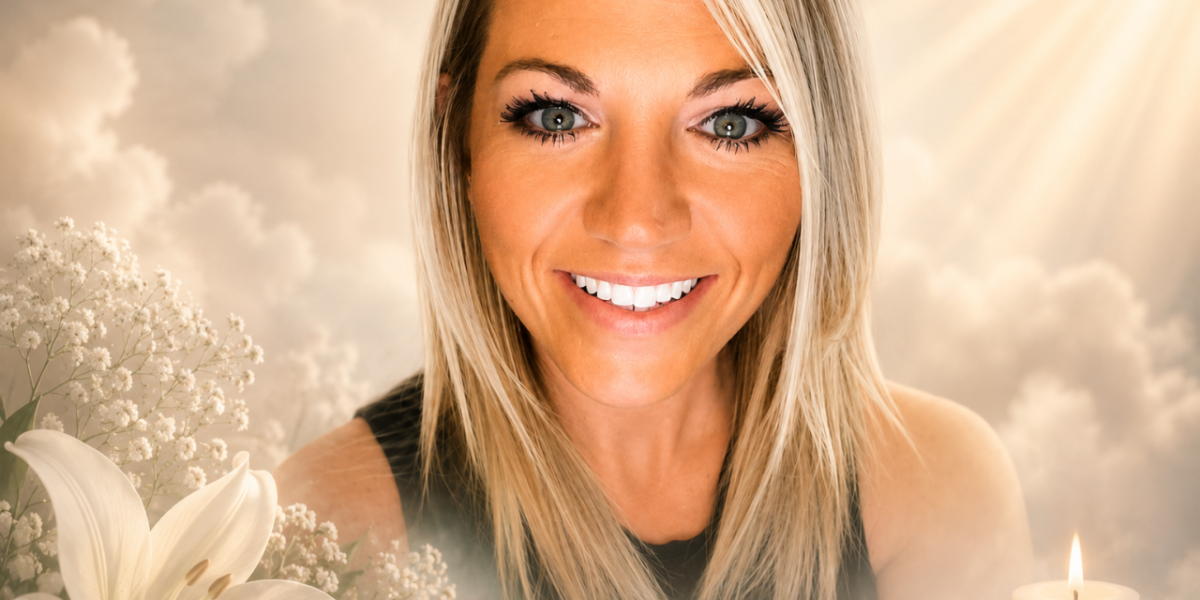
BONUS AUDIO: SHARED WITH PERMISSION FROM ALLIE’S FRIEND BONUS AUDIO: SHARED WITH PERMISSION FROM ALLIE’S FRIEND What happens when a young, healthy woman is found dead in her own home… and the questions begin long before the investigation has answers? This week on Pushing Up Lilies, I’m taking a closer look at the life and death of Alexandra “Allie” Hummel, a 36-year-old licensed nurse from Missouri whose unexpected death remains under investigation. Based on publicly available information, I walk through the timeline of events leading up to her death, including a documented domestic violence incident that occurred less than a year earlier and why that history is significant in any death investigation. From the 911 call to the pending toxicology results, I’ll explain what investigators look for when responding to an unexpected death in the home, how prior incidents become part of the investigative process, and why every piece of evidence matters. As a forensic death investigator, I also share my professional perspective on scene documentation, autopsy findings, toxicology testing, and the importance of remaining objective while allowing the facts to determine the outcome. Most importantly, this episode is about Allie, a dedicated nurse, mother, daughter, sister, and friend whose loved ones continue to seek answers. While this investigation is still ongoing, her story also shines a light on the realities of domestic violence, the challenges victims often face, and why support systems are so important. Next week, I’ll be joined by Allie’s close friend, Kelsey, who will share personal memories of Allie and offer additional insight into the woman behind the headlines. If you or someone you love is experiencing domestic violence, please know that help is available. You are not alone. EPISODE TRANSCRIPT: 00:06 Welcome to Pushing Up Lilies. I’m your host, Julie Mattson. Pushing Up Lilies is a weekly true crime podcast with spine-tingling, unusual, and terrifyingly true stories from my perspective as a forensic death investigator and a sexual assault nurse examiner. 00:24 Do I have some stories for you? Are you ready? Hey guys, welcome to another episode of Pushing Up Lilies. I’m coming to you this week from Deadwood, South Dakota. I don’t know how many of you have been here before, but it is such a beautiful countryside. 00:44 We flew into Rapid City yesterday and we’re here for a couple of days. Then we’re going to go visit my husband’s family farm in Rock Lake, North Dakota. And then we’re going to go to Minot and spend a day at the fair, I believe, before we go home. 01:03 So just needed a little opportunity to get away. School is still schooling. I guess next week is my last week of this semester. So, I’ll be taking my final exam, which I’m extremely nervous about for this clinical. 01:19 And I have one more clinical day, and I will have my 180 hours and 180 patients in for this semester. And then we’re going to do the same thing next semester, but next semester is going to be pediatrics and family medicine. 01:34 And then my last semester is the same. So, I will be doing those rotations in Louisville as well. So, I should be done in March, y’all. So, I’m just hoping that everything goes smoothly. School is hard when you’ve been out for 30 years. 01:52 It’s really hard to try to go back. And my memory’s not what it used to be. I think I’ve told you all that before. When you’re 58, you just don’t remember things like you should. And so, it’s more difficult, even if it’s something that’s instilled in your brain that you’ve been doing for 30 years. 02:07 But today we are dedicating a full episode to the life and death of Alexandra, also known as Allie Leanne Barton Hummel. She was a 36-year-old licensed nurse from New London, Missouri. And Allie was found unresponsive in her home on June 23rd of this year, 2026. 02:31 And her death remains under investigation. Now, again, as I’ve told y’all before, this is a fully factual account based on public records, news reports, court documents, family statements, statements from friends that I have spoken to, and official statements that have been made public since the middle of this month. 02:58 There is no speculation here beyond what’s reported. I’m just going to stick to the facts. But Allie’s story is one of a dedicated healthcare professional, a sister, a friend, and a mother, and a woman whose final chapter has left her loved ones in her community seeking answers. 03:18 This is a story very similar to ones that we hear every day and very similar to ones that I have worked in the death investigation field. Now, later in this episode, I’m going to give you some professional insights into the death investigation process in cases like this. 03:38 And I’m going to announce next week’s episode. That’s going to be an interview with Allie’s friend Kelsey, who will share her perspective and memories surrounding her friend’s life and passing. Now, Alexandra, or we’ll just call her Allie. 03:55 Allie Hummel was born on July 7th of 1989. So, she would have turned 37 just two weeks after her death. She grew up in Missouri area and pursued a career in nursing, and she became a licensed nurse in that state. 04:16 She is remembered by those who knew her as a caring individual with passion for helping others. Now, Allie worked as a nurse, and we all know this is a demanding profession that often involves long hours. 04:29 It’s a lot of stress, and it has a profound impact on patients’ lives, which is why we love it. But colleagues and friends who interacted with her professionally described her positively following her death. 04:43 She was very well loved. Now, she married Dr. Andrew Michael Hummel, who was an anesthesiologist, and he operated Northern Ozark Anesthesia Solutions, which is his own

A Mother’s Life Stolen: The Murder of Caroline Piña Cairo
In this episode of Pushing Up Lilies, I’m examining the heartbreaking murder of 32-year-old Caroline Piña Cairo, a mother of five whose life was taken in a brutal daylight attack that stunned the Del Rio, Texas community. When Caroline arrived at the hospital suffering from multiple stab wounds, medical teams fought to save her life. Despite their efforts, she later succumbed to her injuries. Three women were arrested and charged with her murder, but many questions surrounding the case remain unanswered as the investigation continues. As a forensic death investigator and former emergency room nurse, I walk through what happens in the critical moments after a stabbing victim arrives at the hospital, why injuries like these can be far more severe than they first appear, and how investigators begin reconstructing a violent crime through witness statements, surveillance footage, forensic evidence, and medical findings. I also discuss why it’s so important to separate verified facts from speculation while a case is still unfolding. But more than anything, I want to remember Caroline. She wasn’t simply the victim in a headline. She was a mother, a friend, and someone remembered for her generosity and the kindness she showed others, even during difficult times in her own life. Behind every investigation is a family whose world has been forever changed, and five children who will grow up without their mother. This episode contains discussion of homicide, stabbing violence, and death. Listener discretion is advised. EPISODE TRANSCRIPT: